


A brain tumour diagnosis is the beginning of a process that brings with it many questions and uncertainties. How is treatment planned? Which methods are taken into assessment? These questions arise for both the patient and their relatives in the moments when the process is felt most intensely.
What Is a Brain Tumour, Is It Cancer?
Brain tumours are defined as formations originating from the brain tissue or surrounding structures and occupying space in the brain. These formations are addressed in two basic categories: benign and malignant tumours.
Benign tumours generally grow slowly and have a limited level of effect on the surrounding tissue; however, since they occupy space in a confined area such as the brain, they can produce symptoms and may require treatment. Malignant tumours, on the other hand, can exhibit a more aggressive biological behaviour. While some of these develop primarily in the brain, some arise as a result of cancer in another part of the body spreading to the brain; this situation is defined as brain metastasis.
The type, grade and location of the tumour are among the basic determinants of treatment planning. For this reason, “brain tumour” is not a single disease, but a framework covering various diagnoses that require approaches different from one another.
Brain Tumour Symptoms and Initial Findings
The symptoms are largely shaped according to the location, size and growth speed of the tumour in the brain. Among the most frequently reported findings are the following: headache, particularly in the morning hours or changing with position, having seizures, difficulty speaking or understanding, vision changes, personality and behaviour changes, loss of balance and weakness in the arm or leg.
These findings are not specific to a brain tumour; they may also be due to other causes. However, when one or several of these symptoms are seen together, carrying out a neurological and oncological assessment is important.
Which Tests Are Carried Out for a Brain Tumour Diagnosis?
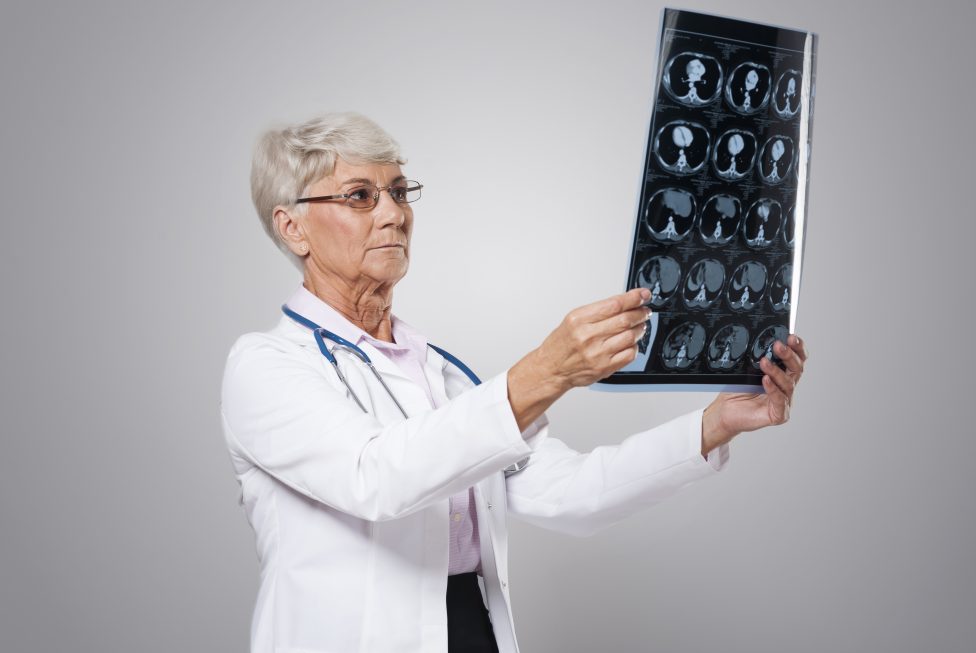
The diagnosis process generally begins with a neurological examination and continues with imaging methods. Magnetic resonance imaging (MR) stands out as the most frequently resorted-to diagnostic tool in brain tumour assessment. The images obtained with the use of a contrast agent provide detailed information about the location and borders of the tumour and its relationship with the surrounding tissues.
A definitive diagnosis is most often made with a biopsy. The pathological examination of the tumour tissue provides the data that will guide treatment planning regarding the type, grade and molecular characteristics of the tumour. Molecular markers such as IDH mutation and MGMT methylation status are among the parameters of increasing importance in brain tumour management in today’s oncology.
What Are the Brain Tumour Treatment Methods?
Brain tumour treatment is often not limited to a single method. A multidisciplinary structure in which different specialties carry out a joint assessment forms the basis of the treatment plan being created in line with scientific guidelines.
How Is Brain Tumour Surgery Performed?
Surgery is, in the presence of suitable clinical conditions, one of the methods evaluated as a priority in brain tumour treatment. The aim is to remove the tumour tissue as safely as possible, to obtain a tissue sample for diagnosis and to reduce intracranial pressure. The location of the tumour and its relationship with the surrounding structures are among the main factors determining surgical applicability.
What Are Radiotherapy and Radiosurgery in a Brain Tumour?
Radiotherapy is an important method evaluated together with surgery or on its own in brain tumour treatment. Besides conventional radiotherapy, high-dose focused beam treatments called stereotactic radiosurgery (SRS) stand out as a modern approach that can be taken into assessment in certain patient groups.
Stereotactic radiosurgery is applied through high-energy beams focused on the tumour tissue from many angles. This technique, which keeps the protection of the surrounding healthy brain tissue at the forefront, is among the options frequently evaluated in the scientific literature, particularly in tumours in regions difficult to reach surgically and in brain metastases. Which radiotherapy approach is addressed in which case is determined in line with the characteristics of the tumour and the patient’s clinical data.
Is Chemotherapy Applied in a Brain Tumour?
Drug-based treatments can be evaluated in brain tumour management together with radiotherapy and surgery or independently. In high-grade tumours such as glioblastoma, certain chemotherapy protocols are defined among the standard treatment components in current clinical guidelines.
In addition, in some brain tumour types and in brain metastases, targeted drug options can be taken into assessment in line with the molecular characteristics. Which drug-based approach is applied is determined within the framework of scientific data, on the basis of the type and molecular profile of the tumour and the patient’s general clinical condition.
Which Specialists Take Part in Brain Tumour Treatment?
Brain tumour treatment requires a process in which more than one specialty, such as neurosurgery, radiation oncology, medical oncology, neurology, radiology and pathology, carry out a joint assessment. The contribution of each discipline to the clinical data ensures that the treatment plan is placed on a more comprehensive and individual basis.
Tumour board discussions are structures in which all the clinical and pathological data belonging to the patient are addressed jointly by different specialties. This framework contributes to treatment decisions being shaped not by the assessment of a single branch, but with a joint approach based on scientific data and international guidelines.
How Does the Recovery Process Proceed After Brain Tumour Surgery?
After brain tumour treatment is completed, the regular monitoring process begins. Imaging methods, neurological assessment and laboratory examinations form the basic tools of this process. The follow-up of the response given to treatment and the detection of possible changes at an early stage are among the basic aims of the monitoring process.
Supportive approaches are also an inseparable part of the treatment process. Assessments aimed at protecting the patient’s daily quality of life are taken into account in the clinical follow-up process.
Where Should One Apply for Brain Tumour Treatment?
Patients diagnosed with a brain tumour or carrying a suspicion in this direction can apply for a clinical assessment together with their available imaging results, pathology reports and other medical documents. This consultation lays the ground for the creation of an individual framework regarding the treatment options.
You can get in touch for an assessment and an appointment regarding brain tumour treatment.
Frequently Asked Questions About Brain Tumours
Is a brain tumour definitely cancer? No. Some brain tumours are benign and are not classified as cancer. However, benign tumours can also produce symptoms and may require treatment, since they occupy space in the brain. The definitive classification is made as a result of pathological examination.
Can a brain tumour be treated without surgery? In certain tumour types and clinical conditions, non-surgical approaches — radiotherapy, radiosurgery or drug treatments — can be evaluated on their own or in combination. The decision regarding which method is suitable is shaped as a result of a multidisciplinary assessment.
Are brain metastasis and a primary brain tumour the same thing? No. Primary brain tumours are tumours originating from the brain tissue. Brain metastasis, on the other hand, develops as a result of cancer in another organ such as the lung, breast or melanoma spreading to the brain. The two carry different biological characteristics, and treatment planning is shaped according to this difference.
Is stereotactic radiosurgery surgery? Stereotactic radiosurgery is not surgery in the traditional sense; it requires neither incision nor anaesthesia. It is a non-invasive radiotherapy technique based on the principle of directing focused high-dose radiation beams to the tumour tissue. The term “surgery” is used for this technique because of its precision and targeted structure.
How many sessions of radiotherapy are needed in brain tumour treatment? The number of sessions varies according to the type and stage of the tumour, the radiotherapy technique applied and the patient’s clinical condition. While a single session or a few sessions may be sufficient in stereotactic radiosurgery, a longer application schedule may be the case in conventional radiotherapy. This decision is determined within the framework of an individual assessment.
This text is for general information purposes and does not replace a medical assessment.


