


Radiation Oncology
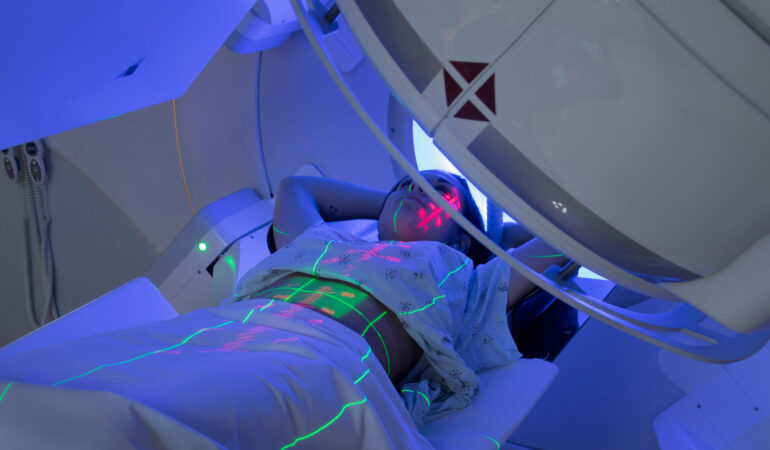
Radiation oncology is a medical specialty in which ionising radiation is used in a controlled manner in cancer treatment and which requires a comprehensive planning infrastructure of its own. It is also commonly known as ray therapy or cancer radiation therapy.
What Is Radiation Oncology ?
Radiation oncology is a subspecialty of oncology that covers applications aimed at controlling tumour cells by targeting them with high-energy radiation beams. This field manages the stages of treatment planning, simulation, application and follow-up as a whole.
Radiotherapy applications are planned individually for each patient. The anatomical location and size of the target tumour region and its proximity to surrounding tissues directly affect both the choice of device and the dose calculations. Patient-specific imaging data is used during the treatment planning process; collaboration between different specialists such as the radiation oncologist, the medical physicist and the radiotherapy technician is an inseparable part of this process.
Radiation oncology is today recognised as one of the fundamental components of cancer treatment. Applied within the framework of international guidelines, this method takes its place within multidisciplinary treatment plans alongside surgical and medical oncology.
Which Conditions Does Radiation Oncology Address ?
Radiation oncology is a specialty that is evaluated across a wide range of cancer types. In which condition and at which stage radiotherapy may come into consideration is determined in each case through individual clinical assessment.
The main clinical pictures in which assessment within the scope of radiation oncology may come into consideration include the following.
- Brain tumours and brain metastases
- Lung cancer
- Breast cancer, particularly adjuvant radiotherapy following surgery
- Prostate cancer
- Head and neck cancers
- Liver, pancreatic and digestive system cancers
- Gynaecological cancers (cervix, endometrium)
- Bone metastases, for the purpose of palliative pain management
This list is provided for general information purposes. Whether radiotherapy is an option can only be determined as a result of individual clinical assessment.
What Treatment Methods Are Used in Radiation Oncology
Radiation oncology does not consist of a single method. Depending on the type of disease, the localisation of the tumour and the patient’s clinical condition, different radiotherapy approaches may be evaluated. The main methods considered within this scope are summarised below.
SRS — Stereotactic Radiosurgery
Stereotactic Radiosurgery (SRS) is an approach based on delivering high-dose radiation to targets that are clearly delineated using advanced imaging methods. Despite the word “surgery” in its name, it involves neither incision nor anaesthesia; it is generally completed in a single session or a small number of sessions.
Brain metastases, recurrences of primary brain tumours, meningioma, AVM and pituitary adenomas are among the pictures in which SRS may be included in clinical assessment. Devices such as Varian TrueBeam, Versa HD, Gamma Knife and CyberKnife may be used within this scope.
SBRT — Stereotactic Body Radiotherapy
Stereotactic Body Radiotherapy (SBRT) is a method based on delivering focused, high-dose radiation through image-guided planning to tumoral formations in regions outside the brain. It may be evaluated in regions such as the lung, liver and spine, taking clinical characteristics into account.
Because it allows a high biological dose to be delivered in a small number of sessions, it may come into consideration as a different clinical option in certain patient groups.
Adaptive Radiotherapy
Adaptive radiotherapy is an approach that allows the treatment plan to be updated in line with anatomical or clinical changes that may arise during the course of treatment. The plan is revised where necessary, taking into account differences in the size and position of the target region as well as changes in surrounding tissues.
Radiotherapy Devices and Techniques
IGRT (image-guided radiotherapy), IMRT (intensity-modulated radiotherapy) and VMAT (volumetric arc technique) are among the technical approaches evaluated in different clinical situations. Which technique is used is determined by the specialist team according to the type of disease and the characteristics of the target region.
Which Conditions Does Radiation Oncology Address ?
How Does the Radiotherapy Treatment Process Proceed ?
The radiotherapy process consists of successive clinical steps from the initial consultation through to the completion of treatment. Each stage of this process is managed and explained to the patient and their relatives to the extent required.
- Clinical assessment. The diagnosis and stage of the disease, previously applied treatments and the patient’s general condition are evaluated.
- Simulation and imaging. The treatment position is determined; CT or MR images are taken and the target region and surrounding tissues are marked.
- Treatment planning. The dose distribution is calculated through collaboration between the radiation oncologist and the medical physicist; protecting healthy tissues while delivering a sufficient dose to the target region is prioritised.
- Application sessions. Treatment is applied in line with the determined number and duration of sessions. Each session is generally short, and the patient does not need to be admitted.
- Follow-up. After treatment is completed, regular monitoring is carried out within the framework of clinical protocols.
Throughout the treatment process, getting in touch with the clinical team as questions arise is important for the sound management of the process.
What Are the Side Effects of Radiation Therapy ?
The effects that may arise during the radiotherapy process vary according to the technique used, the treatment region and the patient’s individual characteristics. While some patients may experience certain changes during treatment, in others this picture may remain more limited.
The effects that may be associated with radiotherapy are generally addressed under two headings.
- Acute effects. These may arise during treatment or shortly afterwards. Depending on the treatment region, fatigue, skin reactions or local tissue sensitivity may be evaluated within this scope.
- Late effects. These may come into consideration months or years after treatment is completed. They vary according to the treatment region and the dose applied.
Side effects are not experienced in the same way in every patient. Which effects may arise and to what extent can only be anticipated through individual clinical assessment. Sharing any kind of change during the treatment process with the clinician is recommended.
The Importance of a Multidisciplinary Approach in Radiation Oncology
The most current scientific guidelines in cancer treatment recommend that each case be addressed not by a single branch alone, but within a multidisciplinary framework in which different specialties evaluate it together. Radiation oncology forms one of the fundamental components of this approach.
Radiation oncology decisions are mostly taken in coordination with the medical oncology and surgical branches. The biological characteristics of the tumour, previously applied treatments and the patient’s general condition are evaluated together in these discussions. The accuracy and reliability of the treatment plan depend directly on this collaboration.
Frequently Asked Questions About Radiation Oncology
Are radiotherapy and chemotherapy the same thing? No. Chemotherapy is a drug-based systemic treatment method that affects the whole body. Radiotherapy, on the other hand, is applied to a specific region and is planned by the radiation oncologist. These two methods may be evaluated together in some situations; however, they are separate treatment approaches with different mechanisms.
Is pain felt during radiotherapy? Pain is generally not felt during the radiotherapy application. The patient is expected to remain still throughout the session. Changes that may arise after the application can vary according to the treatment region and individual characteristics; maintaining open communication with the clinician on this matter is recommended.
Can daily life continue after radiotherapy? In most patients, radiotherapy is applied as an outpatient treatment that does not require admission. Whether daily life can continue depends on the type of treatment, the number of sessions and the patient’s general condition. The individual assessment on this matter is conveyed by the clinician during the treatment planning process.
Is it possible to get a second opinion? Yes. Obtaining a second specialist opinion regarding a cancer diagnosis or treatment plan is an option patients can always turn to. You may contact the clinic of Dr. Hasan Morcalı to request an evaluation of your current findings and treatment plan.
How long does the radiotherapy process take? The process varies according to the type of disease and the method applied. While a single session or a small number of sessions may be sufficient in intensive-dose approaches such as SRS, conventional fractionated radiotherapy may span several weeks. Each patient’s session plan is determined as a result of individual clinical assessment.
Book an Appointment for a Radiation Oncology Assessment
For diagnosis, treatment planning or a second-opinion assessment within the scope of radiation oncology, you can reach the clinic of Dr. Hasan Morcalı. With over 20 years of experience and a multidisciplinary approach, each case is evaluated individually.
You can use the phone and WhatsApp line at +90 531 559 25 68, or visit the website for an online appointment.
The information on this page is for general information purposes and does not constitute a diagnosis or treatment recommendation. Consulting a physician for an assessment of your health condition is recommended.
Our Treatments
Our Working Hours
- 10:00-17:00
- 10:00-17:00
- 10:00-17:00
- 10:00-17:00
- 10:00-17:00
- 10:00-18:00


