


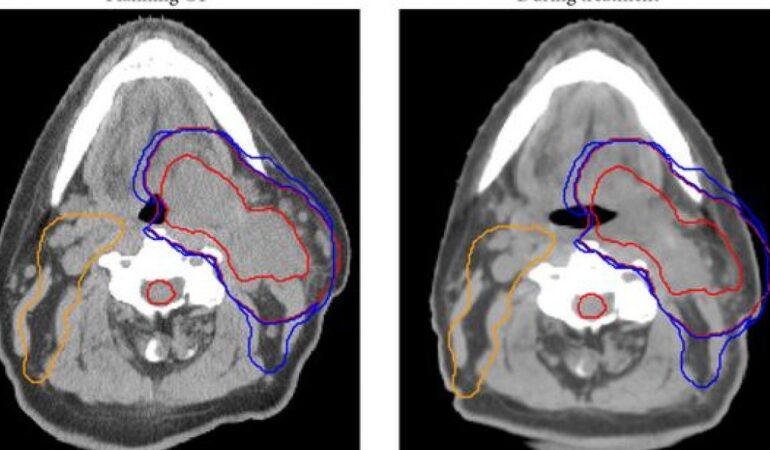
Adaptive Radiotherapy and Personalised Radiation Therapy Approaches
Adaptive radiotherapy is an approach that allows the patient’s anatomical and clinical changes to be evaluated regularly during the radiation therapy process and the treatment plan to be re-addressed according to these changes. This method is evaluated as part of the personalised radiotherapy understanding and aims to contribute to the treatment process being planned in a more controlled, traceable and flexible manner.
Radiotherapy is among the fundamental methods that have been used for many years in cancer treatment. However, during the treatment process, changes may occur in the patient’s anatomical structure, in the position of the targeted area or in its relationships with surrounding tissues. These changes may require the initially created treatment plan to be reviewed over time. Adaptive radiotherapy offers an approach aimed at meeting this requirement.
In the adaptive approach, the treatment process is addressed in line with imaging and clinical assessments made at certain intervals, rather than proceeding through a static plan. In this way, radiation therapy is evaluated in the light of the patient’s current data. In this respect, adaptive radiotherapy allows radiation therapy to be addressed as a dynamic process and contributes to the clinical decisions regarding the treatment process being evaluated in a more holistic manner.
How Is Adaptive Radiotherapy Applied ?
The question how is adaptive radiotherapy applied? is frequently asked by patients seeking information about this treatment approach. The application process begins with the patient’s imaging data being obtained before treatment and a personalised radiotherapy plan being created in line with this data.
As the treatment process progresses, changes occurring in the patient’s anatomical structure or in the targeted area are monitored through imaging and clinical assessments made at certain intervals. As a result of these assessments, the current treatment plan can be re-addressed and updated in situations deemed necessary.
Adaptive radiotherapy applications require an infrastructure supported by advanced imaging systems and planning software. Throughout the process, patient follow-up and information hold an important place. The scope and frequency of the application are determined in line with clinical requirements and may differ for each patient.
Image-Guided Radiotherapy (IGRT)
Image-guided radiotherapy (IGRT) is an approach that allows the targeted area to be verified through imaging methods during radiotherapy applications. IGRT aims to evaluate, through images taken before or during treatment, whether the patient’s position and the target area are in the planned position.
During the radiotherapy process, organ movements or daily position differences may arise. IGRT contributes to such changes being noticed and to the treatment application being evaluated in line with clinical requirements. In this respect, IGRT is addressed as one of the important components of the adaptive radiotherapy approach.
IGRT applications are not standard for every patient. In which situations image-guided radiotherapy is evaluated is determined in line with the patient’s clinical data and treatment plan. This method supports the radiotherapy process being carried out in a more controlled and traceable manner.
IMRT and Adaptive Planning
IMRT (Intensity-Modulated Radiotherapy) is an advanced radiotherapy technique that allows the radiation dose to be applied to the targeted area at different intensities. This method aims to create a dose distribution more compatible with the shape of the target area and contributes to increasing precision in radiotherapy planning.
IMRT and adaptive planning, when addressed together, allow the treatment process to be evaluated in a more flexible manner. Changes that may occur in the patient’s anatomical structure or in the targeted area during the treatment process can be taken into account through the adaptive planning approach. In this way, the initially created IMRT plan can be re-evaluated and updated in line with clinical requirements.
Adaptive planning allows the radiotherapy process to be addressed in the light of the patient’s current data, rather than proceeding through a fixed plan. However, this approach is not applied routinely for every patient. In which situations IMRT and adaptive planning are evaluated together is determined in line with clinical findings and scientific data.
In Which Situations Is Adaptive Radiotherapy Evaluated ?
The question in which situations is adaptive radiotherapy evaluated? is one of the topics that frequently comes up at the treatment planning stage. Adaptive radiotherapy may be addressed in clinical situations in which a change is expected in the patient’s anatomical structure or in the targeted area during the treatment process.
This approach may be evaluated in situations where there is a possibility of shrinkage or change in the tumour volume, in scenarios where protecting sensitive organs close to the treatment area is important, or in situations where it is anticipated that a difference may occur in the patient’s anatomical structure over time. However, adaptive radiotherapy is not a standard method for every patient.
In which patients adaptive radiotherapy is appropriate is determined by evaluating together the characteristics of the disease, the course of the treatment process and the patient’s clinical data. In this process, clinical requirements and scientific guidelines are taken as a basis.
Side Effects in Radiotherapy and the Adaptive Approach
Radiotherapy side effects are among the topics most frequently researched by patients seeking information about the treatment process. The type and severity of side effects may vary depending on the radiation dose applied, the treatment area, surrounding tissues and the patient’s individual characteristics.
Since the adaptive radiotherapy approach allows the treatment plan to be re-evaluated at certain intervals, it contributes to clinical monitoring regarding side effects being carried out more closely. Anatomical changes that may arise during the treatment process can be taken into account through adaptive planning, and the current plan can be reviewed.
However, adaptive radiotherapy is not evaluated as a method that completely eliminates side effects or that provides fewer side effects in every patient. The assessment regarding side effects is addressed together with clinical monitoring and patient information. The aim in this process is for the treatment process to be evaluated in a controlled and patient-specific manner.
Technologies Used in Adaptive Radiotherapy
The technologies used in adaptive radiotherapy cover the advanced technical infrastructures that support the treatment process being carried out in a precise and controlled manner. These technologies take on an important role at the stages of creating, applying and, where necessary, re-evaluating the treatment plan.
The adaptive approach requires a radiotherapy infrastructure supported by advanced imaging systems and planning software. In this way, anatomical changes that may arise during the treatment process can be monitored more closely and included in the clinical assessment.
Radiotherapy Devices
Radiotherapy devices are designed to have the technical equipment to support adaptive planning and image-guided applications. These devices allow the radiation dose to be directed appropriately to the planned area and the treatment process to be monitored.
The characteristics of the devices used are evaluated according to the planned treatment approach and clinical requirements. The same device or technique may not be used for every patient.
Advanced Imaging Systems
Advanced imaging systems are among the fundamental components of adaptive radiotherapy. These systems, used before and during treatment, contribute to evaluating the current state of the target area and surrounding tissues.
This imaging data helps to review the current treatment plan during the adaptive planning process. In this way, the radiotherapy process can be addressed in line with the patient’s current clinical data.
The Adaptive Radiotherapy Process and Clinical Assessment
The adaptive radiotherapy process is a multifaceted process covering the stages of pre-treatment assessment, personalised planning, application and monitoring. In this process, the patient’s clinical information, imaging results and changes that may arise during the treatment process are addressed together. The aim is to ensure that the radiotherapy application is evaluated in a patient-specific manner.
The assessments made before treatment help to determine which radiotherapy approach may be appropriate. During the treatment process, the current plan can be reviewed through clinical and imaging assessments made at certain intervals. In situations deemed necessary, the planning process is re-addressed.
In the radiation oncology services carried out by Dr. Hasan Morcalı, the adaptive radiotherapy approach is evaluated in line with clinical requirements. Throughout the process, patient information and monitoring are kept at the forefront; all assessments are addressed within the framework of scientific and ethical principles.
👉 You can get in touch for general information about adaptive radiotherapy applications and the clinical assessment process.
Our Treatments
Our Working Hours
- 10:00-17:00
- 10:00-17:00
- 10:00-17:00
- 10:00-17:00
- 10:00-17:00
- 10:00-18:00
News From Us
Frequently Asked Questions (FAQ)
Is adaptive radiotherapy different from conventional radiotherapy? Adaptive radiotherapy differs from conventional radiotherapy approaches in that it allows the treatment process to be re-evaluated at certain intervals. However, which method is evaluated in which patient is determined in line with clinical requirements.
To whom is adaptive radiotherapy applied? Adaptive radiotherapy is not a standard application for every patient. This approach may be evaluated in clinical situations where an anatomical change is expected during the treatment process or where the sensitivity of the target area is important. Suitability is determined at the end of the clinical assessment process.
How is adaptive radiotherapy applied? Adaptive radiotherapy begins with the planning carried out before treatment. Throughout the treatment process, the current plan can be reviewed through imaging and clinical assessments made at certain intervals and re-addressed in situations deemed necessary.
What is image-guided radiotherapy (IGRT)? IGRT is an approach that allows the target area and the patient’s position to be verified through imaging methods during radiotherapy. It is evaluated as an important supporting component in adaptive radiotherapy applications.
Can IMRT and adaptive radiotherapy be used together? IMRT (Intensity-Modulated Radiotherapy) is a technique that can be evaluated together with the adaptive radiotherapy approach. Addressing these two approaches together allows the treatment plan to be evaluated in line with clinical requirements.
Does adaptive radiotherapy reduce side effects? Adaptive radiotherapy is not a method that completely eliminates side effects. However, since it allows the treatment process to be monitored more closely and the plan to be re-evaluated where necessary, it contributes to the clinical monitoring process.
Is adaptive radiotherapy safe? Adaptive radiotherapy applications are addressed within the framework of determined clinical protocols and safety standards. Patient follow-up, information and clinical monitoring are important during the treatment process.
How long does the adaptive radiotherapy process take? The duration of the adaptive radiotherapy process may vary according to the planned radiotherapy programme and the patient’s clinical characteristics. The duration is evaluated at the treatment planning stage.
How does Dr. Hasan Morcalı evaluate adaptive radiotherapy? Dr. Hasan Morcalı addresses the adaptive radiotherapy approach within the scope of radiation oncology, in line with clinical requirements and scientific data. Throughout the process, patient information and monitoring are kept at the forefront.
How can information about adaptive radiotherapy be obtained? Patients who would like to get general information about adaptive radiotherapy applications and the assessment process can get in touch with the clinic of Dr. Hasan Morcalı.
The information on this site is not intended for diagnosis or treatment. Please consult your physician for your health problems.


