


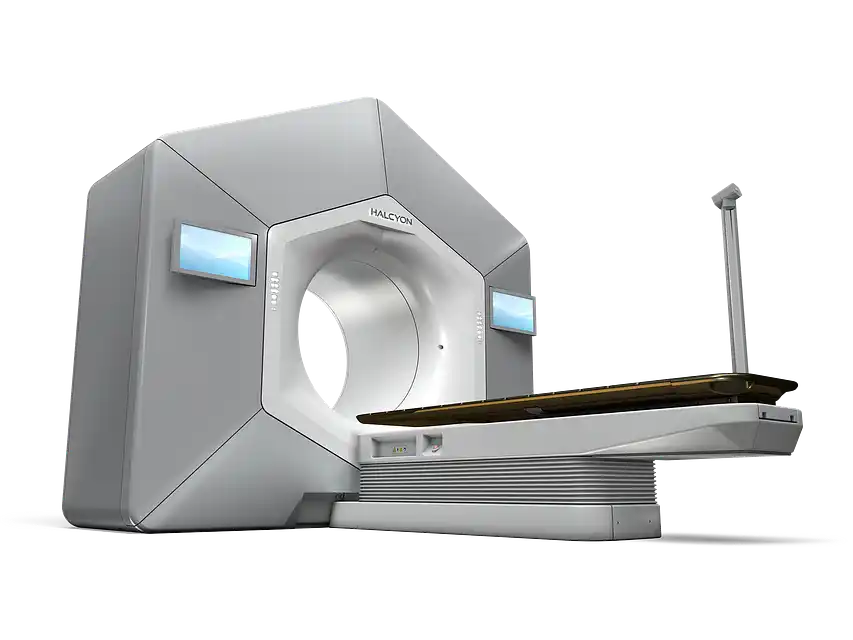
Radiotherapy Devices
Radiotherapy devices are advanced-technology radiation treatment devices that use high-energy beams for the purpose of bringing cancerous cells under control or eliminating them completely. These devices aim to stop the cells’ ability to multiply by targeting the genetic structure of tumoral tissues. In this way, while the progression of cancer is prevented, the surrounding healthy tissues are protected as much as possible.
Today, radiotherapy in cancer treatment is one of the cornerstones of modern oncology. While radiotherapy can be applied as an effective treatment method on its own in some patients, in many cases it increases treatment success by being combined with surgery and chemotherapy. The technological level of the radiotherapy devices used during the planning and application of treatment directly affects the accuracy of the dose received, the precise protection of target tissues and the safety of the treatment process.
Thanks to advanced radiotherapy technologies, today tumour targeting can be carried out with millimetric precision, the risk of side effects is reduced, and patients’ daily quality of life during treatment can be better protected. For this reason, the choice of radiotherapy device is not only a technical preference but also a critical element in terms of the effectiveness of treatment and the patient’s long-term health.
What Are Radiotherapy Devices ?
The question what is a radiotherapy device? is frequently asked by patients who are about to begin the treatment process and their relatives. Radiotherapy devices aim to stop the multiplication of tumour cells by disrupting their DNA structure. In this way, while cancerous cells become ineffective over time, healthy tissues are protected as much as possible.
Modern radiation treatment devices are designed to work with millimetric precision, and treatment planning is carried out entirely in a personalised manner.
How Do Radiotherapy Devices Work ?
Radiotherapy devices work by directing high-energy radiation beams to the area where the tumour is located in a controlled and precise manner. These beams damage the DNA structure of cancer cells, disrupting the cells’ ability to divide and multiply. Over time, this damage leads to cancer cells becoming ineffective and the tumour shrinking.
One of the most important stages of the treatment process is the computer-assisted radiotherapy planning process. Through imaging methods carried out before treatment (CT, MR or PET), the location and size of the tumour and its relationship with surrounding tissues are analysed in detail. In line with this data, the radiotherapy doses to be used and the angles of incidence of the beams are calculated with millimetric precision.
Modern radiation treatment devices surround the tumour by sending beams from different angles and, while creating a high dose in the target tissue, aim to minimise the dose received by the surrounding healthy tissues. Thanks to advanced imaging and tracking systems, even small patient movements that may occur during treatment are taken into account, and the accuracy of the irradiation is maintained.
In this way:
- The tumour is targeted and an effective dose distribution is achieved
- Healthy tissues are protected, and the risk of long-term side effects is reduced
- Radiotherapy side effects are kept to a minimum level
The new-generation radiotherapy devices used today, thanks to precise targeting and advanced planning systems, both increase treatment success and make the patients’ treatment process more comfortable.
Types of Radiation Used in Radiotherapy
which the tumour is located, its depth, its size and its relationship with the surrounding healthy tissues. The same type of radiation is not used in every patient and every tumour. This choice is of critical importance in terms of the effectiveness of radiotherapy treatment and the reduction of the risk of side effects.
Modern radiotherapy devices have the technology to apply different types of radiation in a controlled manner. The most frequently used types of radiation are as follows.
Photon Radiotherapy
Photon radiotherapy is a method widely used in the treatment of deep-seated tumours. High-energy photon beams pass through the body’s tissues to reach the target tumour. Thanks to this feature, it provides effective treatment in tumours in deep organs such as the brain, lung, prostate and pelvis.
The advantages of photon radiotherapy:
- The ability to reach deep tissues
- A wide range of use
- High precision with advanced devices
Electron Radiotherapy
Electron radiotherapy is preferred in tumours located close to the skin surface or superficially. Since electron beams lose their effect after a certain depth in the tissue, they help to protect the healthy organs underneath. For this reason, they are frequently used in regions such as skin tumours, superficial areas after breast surgery and lymph nodes.
The advantages of electron radiotherapy:
- Effective treatment in superficial tissues
- Protection of deep organs
- Reduction of the risk of side effects
The selection of the correct type of radiation is determined not only according to the characteristics of the tumour, but also according to the patient’s general health condition and treatment goals. Radiotherapy in cancer treatment, applied with personalised planning, both increases treatment success and helps to protect the patient’s quality of life.
Types of Radiotherapy Device
The types of radiotherapy device differ according to the technological features they have and the level of precision they provide for treatment. The purpose of use of each device is determined according to factors such as the location, size and mobility of the tumour. For this reason, the choice of radiotherapy device is an important stage that directly affects the success of treatment.
The modern radiotherapy devices used today allow targeted and personalised treatment planning.
Linear Accelerator (LINAC)
LINAC devices are among the most widely used radiotherapy devices today and are used safely in the treatment of many cancer types. These devices target the tumoral area by producing high-energy photon or electron beams and aim to render cancer cells ineffective.
Modern linear accelerator systems are designed to be able to send beams from different angles. In this way, the tumour tissue is surrounded, an effective dose distribution is achieved, and the surrounding healthy tissues are protected as much as possible. Through computer-assisted planning carried out before treatment, the direction and dose of the beams are determined in a personalised manner.
LINAC devices can work compatibly with advanced techniques such as IMRT, IGRT and stereotactic radiotherapy. This feature both increases the effectiveness of radiotherapy in cancer treatment applications and reduces the risk of side effects. Thanks to their wide range of use and reliability, linear accelerators form the basis of today’s radiotherapy applications.
IMRT (Intensity-Modulated Radiotherapy) Devices
IMRT radiotherapy is an advanced radiotherapy technique in which the beam intensity can be adjusted according to the shape of the tumour and the sensitive organs around it. In this method, the intensity of the beams sent from different angles is controlled through computer-assisted systems, and the dose needed is applied precisely to each region of the tumour.
Thanks to IMRT technology, while the tumour tissue is effectively targeted, the radiation dose received by the surrounding healthy tissues is limited. This makes an important contribution to reducing treatment-related side effects, particularly in head and neck, prostate and gynaecological cancers. IMRT, by offering the possibility of personalised planning, is one of the methods that increase the safety and success of radiotherapy in cancer treatment applications.
IGRT (Image-Guided Radiotherapy) Devices
IGRT (Image-Guided Radiotherapy) is an approach that allows the current position of the tumour to be verified through imaging carried out before and during treatment. Since small changes in the patient’s position or internal organ movements may affect treatment accuracy, IGRT technology detects these changes in real time.
This method provides high accuracy, particularly in tumours located close to organs that move with respiration. Thanks to the imaging support, harmony between the irradiation plan and the application is maintained, and radiotherapy treatment becomes safer. IGRT is an important technology preferred in situations requiring precise targeting.
Stereotactic Radiotherapy (SRT / SBRT)
Stereotactic radiotherapy is an advanced radiotherapy method that makes it possible to apply a high dose of radiation in a small number of sessions in an extremely precise manner. This technique is preferred in situations where the tumour is clearly defined and the surrounding tissues are protected to the maximum extent.
The question what is SBRT? gains importance particularly in tumours in regions such as the lung, liver and spine. With stereotactic radiotherapy, while the treatment time is shortened, an alternative option to surgery may be offered in some patients. Thanks to high-precision planning and application, an effective and comfortable treatment process is provided with radiotherapy devices.
New-Generation Radiotherapy Devices
New-generation radiotherapy devices are modern radiotherapy technologies equipped with advanced imaging systems and AI-assisted planning infrastructures. These devices can analyse the location of the tumour and its relationship with the surrounding tissues in much greater detail and allow treatment plans to be created with high precision. Thanks to advanced software, personalised radiotherapy planning can be carried out for each patient, and the treatment process is managed safely.
New-generation systems maintain the accuracy of the irradiation by also taking into account small position changes and organ movements that may occur during treatment. This approach aims to increase the effectiveness of radiotherapy in cancer treatment applications while minimising the risk of side effects.
Precise Treatment in Mobile Tumours
In tumours that shift with involuntary movements such as respiration, precise radiotherapy technologies provide important advantages. New-generation radiotherapy devices can monitor the movement of the tumour in real time and adjust the beams automatically according to these movements. In this way, the risk of deviation from the target tissue is reduced, and the tumour is continuously treated from the correct point.
This technology increases the treatment safety and success rate, particularly in tumours located in mobile organs such as the lung and liver.
Protection of Surrounding Tissues
New technologies offer important advances in the protection of healthy tissues. Thanks to advanced planning and precise targeting, the radiation dose received by the surrounding organs is limited. This contributes to the reduction of radiotherapy side effects that may arise in both the short and long term.
As a result, new-generation radiotherapy devices allow a more effective and safer radiotherapy treatment that prioritises patients’ quality of life to be offered.
How Is the Radiotherapy Treatment Process Applied ?
The radiotherapy treatment process is a controlled application that is planned specifically for the patient and consists of several stages. Each step of the treatment is planned by taking into account the characteristics of the tumour and the patient’s general condition. The aim is to protect the patient’s comfort and safety while targeting the tumour in the most effective way.
The treatment process begins with a detailed assessment and radiotherapy planning stage. At this stage, using imaging methods such as computed tomography, magnetic resonance or PET, the location of the tumour and its relationship with surrounding tissues are clearly determined. The data obtained allows the dose to be applied with radiotherapy devices and the irradiation areas to be calculated with millimetric precision.
After planning is completed, the radiotherapy sessions begin. Treatment is generally applied on certain days of the week in short sessions. The patient does not feel pain during the session and can continue their daily life after the procedure. The patient’s condition is regularly monitored throughout treatment, and the planning can be updated when necessary.
Modern radiotherapy in cancer treatment applications offer both an effective and safe process thanks to advanced devices and imaging systems. This approach contributes to protecting patients’ quality of life while increasing the success of treatment.
The Effect of Radiotherapy Devices on Side Effects
Radiotherapy side effects may vary depending on the treatment area applied, the dose given and the technological features of the radiotherapy devices used. Thanks to the modern devices and advanced planning systems used today, side effects are seen at a much more controlled and limited level compared to the past.
While surrounding tissues could be exposed to more radiation in traditional methods, new-generation radiotherapy devices prioritise the protection of healthy tissues by performing targeted irradiation. In this way, radiotherapy-related side effects such as skin reactions, fatigue and gastrointestinal complaints may follow a milder course, and most patients can continue their daily life during treatment.
Advanced techniques such as IMRT, IGRT and stereotactic radiotherapy used during the treatment process ensure that the beams are directed only to the necessary areas. These technologies reduce the risk of long-term side effects by increasing treatment safety, particularly in tumours located close to critical organs. In addition, patients are regularly evaluated throughout treatment, and side effects that may arise are brought under control at an early stage.
As a result, radiotherapy in cancer treatment has today become a more comfortable and safe treatment method thanks to advanced devices and personalised planning. The correct choice of device and an expert team approach directly affect both the success of treatment and the patient’s quality of life.
Why Is the Choice of Radiotherapy Device Important ?
The choice of radiotherapy device is an important factor that directly affects the effectiveness of treatment and the patient’s quality of life. The location, size, extent and relationship with surrounding healthy tissues of each tumour are different. For this reason, the same radiotherapy devices and the same treatment approach may not be appropriate for every patient.
Modern radiotherapy devices with advanced technologies allow a more precise dose to be applied to the tumour and the surrounding tissues to be better protected. This contributes to the reduction of radiotherapy side effects while increasing treatment success. The level of precision the device offers is of great importance, particularly in tumours located close to critical organs.
The correct choice of radiotherapy device is possible not only with technological equipment, but also with personalised planning and an experienced team approach. The device and treatment technique determined as a result of a personalised assessment ensure that radiotherapy in cancer treatment applications are carried out in a safer and more effective manner.
The Radiotherapy Technologies Used at Our Centre
At our centre, treatment is applied with modern radiotherapy devices selected in line with current scientific guidelines. The technologies used aim to offer patients a safe radiotherapy treatment by being supported with high-precision planning and advanced imaging systems.
In the treatment process, each patient is evaluated individually by adopting a multidisciplinary approach. Personalised radiotherapy planning is shaped according to the characteristics of the disease and the patient’s general health condition. This approach both increases treatment success and helps patients to go through the treatment process more comfortably.
Our Treatments
Our Working Hours
- 10:00-17:00
- 10:00-17:00
- 10:00-17:00
- 10:00-17:00
- 10:00-17:00
- 10:00-18:00
News From Us
Get in Touch for Information About Radiotherapy Devices
Frequently Asked Questions About Radiotherapy Devices
Is radiotherapy painful? Pain is not felt during radiotherapy. The treatment is a method applied externally, and during the sessions the patient only feels that the device is working. The effects that may arise after the procedure may vary according to the application area and the individual.
How many sessions does radiotherapy take? The answer to the question how many sessions does radiotherapy take? varies according to the type and stage of the disease and the radiotherapy devices used. Treatment may be completed in a few sessions, or in some cases it may take a few weeks. The treatment plan is determined specifically for the patient.
Is radiation emitted during radiotherapy? No. During radiotherapy treatment, the patient does not emit radiation to their surroundings after the session is completed. For this reason, the patient can be together safely with their family and surroundings after treatment.
What are the side effects of radiotherapy? Radiotherapy side effects may vary depending on the area treated and the technology used. The new-generation radiotherapy devices used today aim to reduce side effects. The possible effects are generally temporary and can be brought under control after treatment.
Can daily life continue during radiotherapy? Most patients can continue their daily activities during radiotherapy in cancer treatment. Sessions are generally short and do not require hospital admission. Mild effects such as fatigue may be seen, but this varies from person to person.
Which radiotherapy device is suitable for me? The most suitable radiotherapy device for each patient is determined by evaluating the location and size of the tumour and the patient’s general health condition. For this reason, the choice of radiotherapy device must be made in a personalised manner by the specialist physician.
Is radiotherapy a safe treatment? When applied by an experienced team with modern radiotherapy devices with advanced technology, radiotherapy is a safe treatment method. The patient is regularly monitored throughout the treatment process.
Does radiotherapy replace surgery? In some situations, radiotherapy can be applied as an alternative to surgery. Advanced methods such as stereotactic radiotherapy, in particular, may provide effective results in suitable patients without the need for surgery. However, this decision is made through multidisciplinary assessment.
Why are check-ups after radiotherapy important? The check-ups carried out after treatment are of great importance in terms of evaluating the effectiveness of radiotherapy treatment and following up possible late side effects. The check-up plan is determined specifically for the patient.
The information on this site is not intended for diagnosis or treatment. Please consult your physician for your health problems.


